Electronics Recycling: Sustainable Tech Recycling for Old Devices
Sustainable Solutions: How E-Waste Recycling Services Are Saving Our Planet
E-waste poses significant threats to the environment, as abandoned electronic devices commonly carry harmful materials. Such dangerous compounds can pollute soil and water supplies, resulting in widespread environmental harm. E-waste recycling services present a viable solution. They successfully retrieve useful resources while simultaneously minimizing environmental pollution. Comprehending the operation of these services and their influence on communities is of great importance. The journey towards effective e-waste management raises critical questions about individual responsibility and collective action. What measures can be pursued from this point onward?
Why E-Waste Is Bad for the Planet
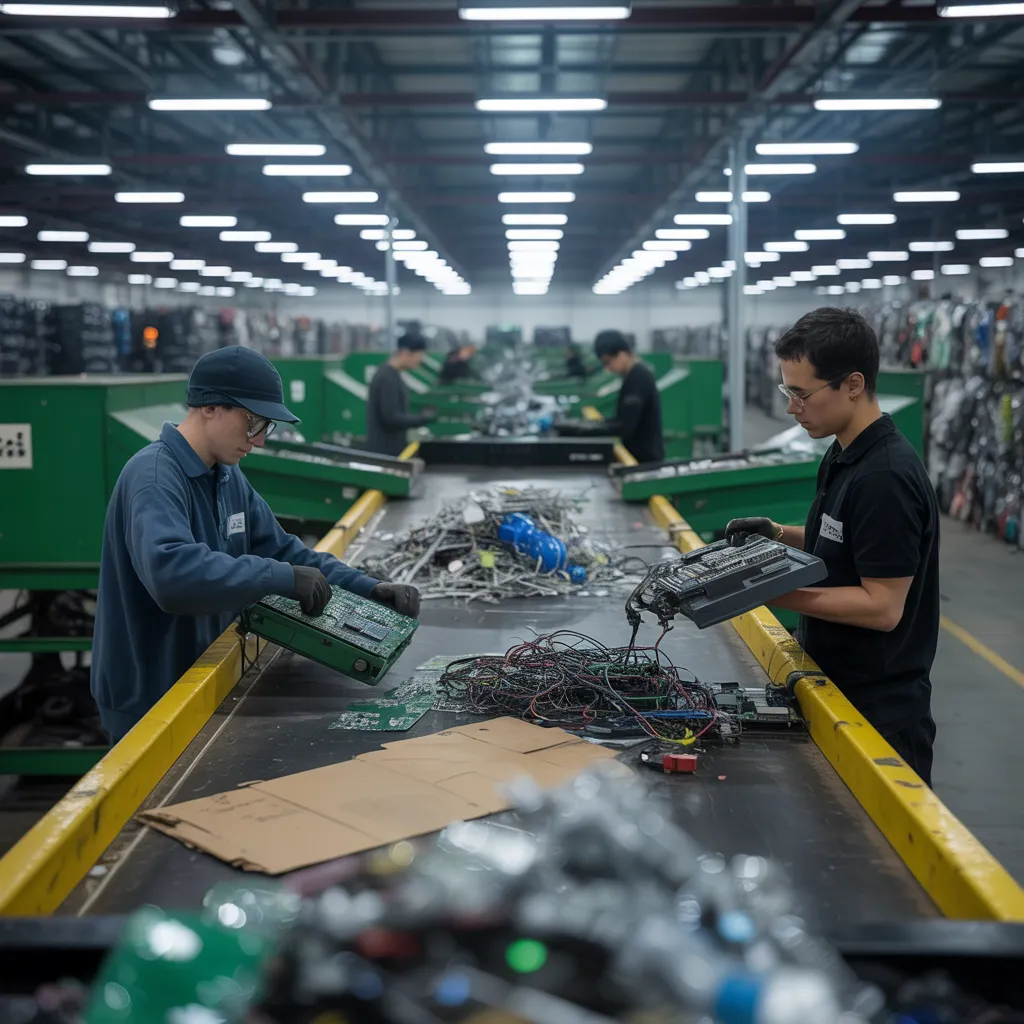
While technology enriches our daily lives, e-waste poses considerable environmental hazards. Abandoned electronic gadgets, frequently composed of hazardous materials such as mercury, lead, and cadmium, can leach toxins into soil and groundwater, posing risks to ecosystems and human health. The rapid pace of technological advancement contributes to greater consumer replacement of electronic devices, exacerbating the accumulation of discarded electronic materials.
Landfills, already overwhelmed with refuse, find it difficult to handle the increasing amounts of discarded devices. Incineration, a common waste management technique, emits dangerous pollutants into the environment, degrading atmospheric conditions. In addition, improper recycling practices can lead to the exportation of e-waste to developing countries, where laborers may dismantle devices without adequate safety measures, exposing themselves to dangerous substances. This ongoing cycle of carelessness and inadequate management emphasizes the pressing necessity for responsible recycling initiatives that can lessen the harmful consequences of e-waste on our world.
What Is E-Waste and Its Importance?
Electronic waste, commonly known as e-waste, comprises unwanted electronic equipment including computers, smartphones, and televisions that are no longer functional or needed. This growing category of waste is significant owing to its accelerating volume, fueled by innovation in technology and shifting consumer habits. As growing numbers of electronics become outdated, the toll on the environment grows more severe, with harmful substances like lead, mercury, and cadmium posing risks to ecosystems and human health.
The importance of addressing e-waste lies not only in mitigating these hazards but also in recognizing the valuable materials it contains. Precious metals and rare earth elements can be recovered and reused, reducing the need for mining and conserving natural resources. With a thorough understanding of e-waste and its impact, people and organizations alike can make educated decisions about disposal and recycling, helping to build a more sustainable world. Effective handling of e-waste is vital for encouraging a circular economy and advancing environmental responsibility.
How E-Waste Recycling Works
Recycling e-waste involves a systematic process designed to recover valuable materials while minimizing environmental impact. To begin, e-waste is collected and transported to dedicated processing centers. Once there, the equipment is meticulously organized to distinguish harmful elements from reusable resources.
Next, employees break down the items, removing metals, plastics, and glass. This phase is essential, as it allows for the extraction of rare metals like gold, silver, and copper, which can be reused in new electronics.
Next, the separated materials are treated through sophisticated techniques, such as shredding and specialized chemical treatments, to prepare them for repurposing.
Ultimately, the leftover dangerous materials are managed properly, following eco-friendly standards. This multi-step approach not only saves important resources but also minimizes the hazards connected to unsafe e-waste handling, ensuring a more sustainable future for electronic device usage.
Advantages of E-Waste Recycling for You and Your Community
Although it often goes unnoticed, the positive effects of e-waste recycling extend beyond personal convenience to positively impact entire communities. By carefully processing electronic waste, individuals help foster a cleaner environment, decreasing harmful substances that can leach into soil and water. This forward-thinking practice works to protect local ecosystems and promotes public health.
Additionally, e-waste recycling promotes workforce growth within communities. Local recycling facilities often require personnel for a range of functions, spanning collection through processing, thereby providing employment opportunities for local residents. This not only boosts the local economy but also fosters community involvement in eco-friendly practices.
Furthermore, understanding of e-waste recycling has the potential to generate awareness campaigns, encouraging residents to adopt eco-friendly choices. By enrolling in e-waste recycling programs, individuals cultivate a culture of sustainability, prompting others to join the movement. Overall, the combined impact of these actions can create a more resilient and environmentally responsible community.
How to Select an E-Waste Recycling Service
Selecting the right e-waste disposal service is essential for making sure that electronic refuse is handled in a responsible and sustainable manner. First, consumers should check the provider's certifications, such as R2 and e-Stewards certifications, which signify conformance to industry standards for safe recycling practices. It's also important to assess the provider's reputation by reading customer reviews and obtaining recommendations from trusted sources.
Moreover, openness in the recycling process is crucial. A dependable service should supply straightforward details about how e-waste is processed and how the materials are utilized. Additionally, considering the scope of services provided can prove valuable; some companies may provide pickup services or offer incentives for recycling.
Ultimately, understanding local guidelines related to e-waste disposal can additionally influence the decision-making process. By prioritizing these factors, residents can actively participate in successful electronic waste reduction alongside encouraging sustainable environmental efforts.
How You Can Get Involved in E-Waste Recycling?
Getting involved with e-waste recycling can start at the local level, where community recycling hubs often provide essential services for responsible disposal. Additionally, joining community awareness campaigns can strengthen efforts to raise awareness about the importance of proper e-waste handling. These initiatives not only encourage sustainable practices but also build a collective sense of responsibility toward the environment.
Community Recycling Locations
Many neighborhood recycling stations play an essential role in the recycling of e-waste, offering communities convenient opportunities to handle electronic waste in a responsible manner. These facilities handle a range of electronic devices, including old computers, smartphones, and televisions, guaranteeing that dangerous substances are processed safely. Most centers are equipped with knowledgeable personnel who support individuals in understanding proper disposal practices, emphasizing the importance of recycling over landfilling. Additionally, several stations organize organized drop-off opportunities or appointed collection periods, making participation convenient Get access for residents. Through the use of these community services, community members advance a circular economy, lowering environmental harm and encouraging sustainable habits. Partnering with these facilities enables communities to combat e-waste pollution successfully.
Community Awareness Campaigns
Community groups, educational institutions, and companies can partner to arrange initiatives that encourage e-waste collection drives. Dedicated participants can take a leading part in spreading awareness, distributing educational materials, and engaging with the community. Through these collective efforts, residents become more informed and motivated to recycle their electronic waste, thereby helping to build a greener and more sustainable tomorrow.
Answers to Your Most Common Questions
What Types of Electronics Can Be Recycled?
Numerous electronics may be recycled, including laptops, televisions, smartphones, printers, computers, and gaming consoles. Furthermore, accessories such as mice, keyboards, and batteries are well-suited for recycling, supporting eco-friendly conservation initiatives.
Is There a Cost Associated With E-Waste Recycling?
Indeed, e-waste disposal can include costs, depending on the provider. Some facilities charge fees for gathering or treatment, while other facilities offer free services, frequently supported by the proceeds from salvaged materials.
How Can Businesses Benefit From E-Waste Recycling?
Businesses can benefit from e-waste recycling by reducing disposal costs, improving their green reputation, complying with regulations, recovering valuable materials, and potentially generating revenue through resale, thus supporting a greener and more sustainable operational framework.
What Happens to Data on Recycled Devices?
Details from recycled equipment is commonly permanently erased or destroyed throughout the recycling process. This ensures confidential data remains secure, blocking unwanted intrusion while allowing components to be repurposed safely and responsibly within new applications.
Can I Recycle Broken Electronics?
Absolutely, defective electronics are able to be recycled. Many recycling centers accept non-functioning devices, providing safe disposal and retrieval of recoverable materials. This helps decrease environmental impact while promoting eco-friendly recycling methods to handle electrical waste responsibly.