Local Electronics Recycling for Bulk Disposal
Green Initiatives: How E-Waste Recycling Services Are Protecting Our Planet
Electronic waste presents serious dangers to the environment, as disposed electronics frequently harbor hazardous substances. These toxic materials have the potential to taint soil and water sources, causing extensive damage to surrounding ecosystems. E-waste recycling initiatives provide a practical answer. They not only recover valuable resources but also mitigate pollution. Comprehending the operation of these services and their influence on communities is of great importance. The path to successful electronic waste management prompts vital discussions about personal accountability and communal efforts. What actions should be considered going forward?
Why Electronic Waste Is Harmful to the Planet
While technological advancements improve contemporary living, e-waste creates considerable environmental hazards. Discarded electronic devices, commonly laden with dangerous compounds like mercury, lead, and cadmium, may release harmful substances into soil and groundwater, presenting dangers to ecosystems and human health. The accelerating rate of technological innovation contributes to higher rates of electronics disposal among consumers, exacerbating the accumulation of e-waste.
Landfills, already strained by waste, are unable to keep up with the rising quantities of abandoned electronics. Burning, an alternative disposal approach, discharges toxic contaminants into the air, worsening overall air quality. In addition, improper recycling practices can lead to the exportation of e-waste to developing countries, where laborers may dismantle devices without adequate safety measures, exposing themselves to dangerous substances. This pattern of negligence and mismanagement highlights the critical demand for eco-friendly recycling alternatives that can reduce the damaging impact of electronic waste on the environment.
Understanding E-Waste and Its Significance
E-waste, also referred to as electronic waste, includes discarded electronic devices such as televisions, computers, and smartphones that have reached the end of their useful life. This growing category of waste is significant owing to its accelerating volume, propelled by advances in technology and evolving consumer behaviors. As growing numbers of electronics become outdated, the ecological consequences become more pronounced, with harmful substances like lead, mercury, and cadmium threatening both ecosystems and public health.
Addressing See all e-waste is crucial not only for reducing these dangers but also for acknowledging the precious materials found within it. Precious metals and rare earth elements can be recovered and reused, reducing the need for mining and conserving natural resources. With a thorough understanding of e-waste and its impact, people and organizations alike can make educated decisions about disposal and recycling, helping to build a more sustainable world. Responsible management of e-waste plays a key role in supporting a circular economy and championing environmental stewardship.
How E-Waste Recycling Works
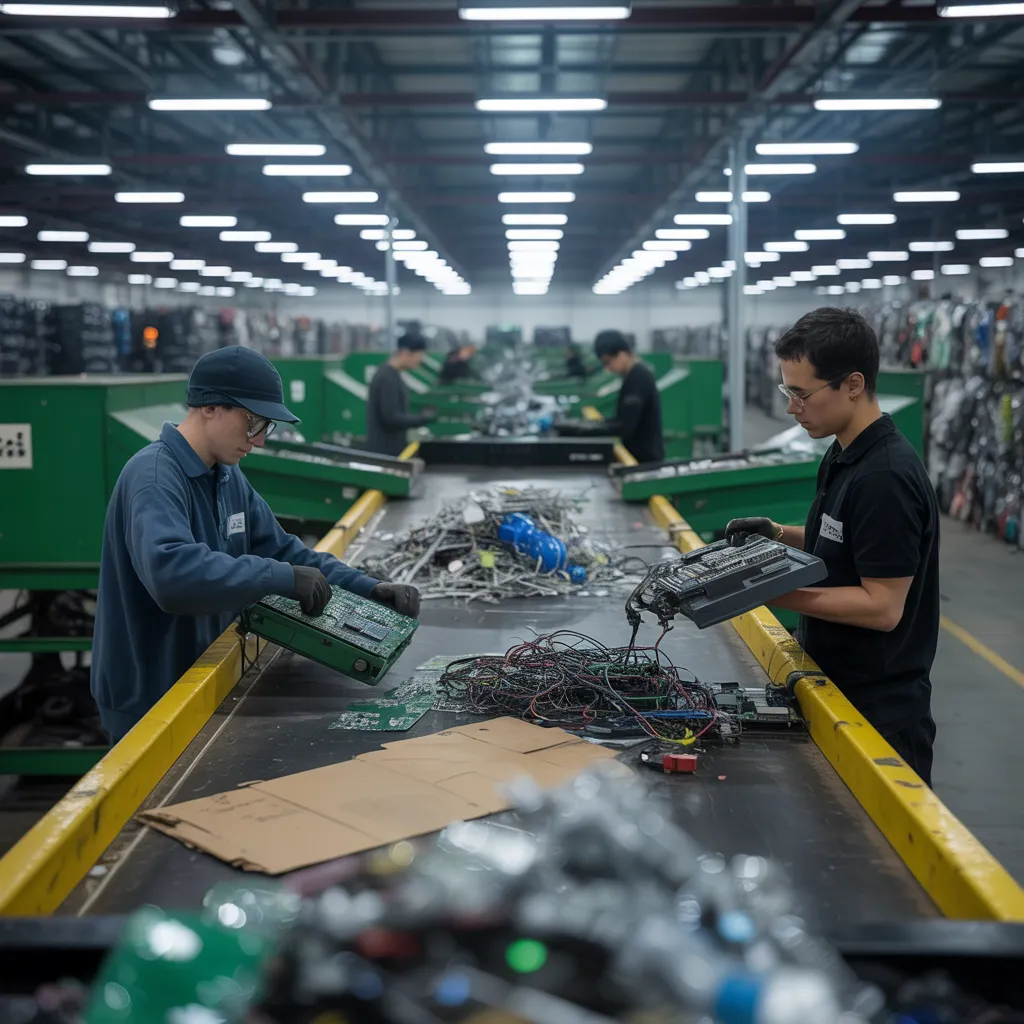
Recycling e-waste involves a systematic process designed to recover valuable materials while reducing harm to the environment. At the outset, electronic waste is gathered and delivered to specialized recycling facilities. Upon arrival, the devices undergo thorough sorting to distinguish harmful elements from reusable resources.
Following this, technicians deconstruct the devices, separating glass, metals, and plastics. This stage is crucial, as it allows for the reclamation of valuable metals like silver, gold, and copper, which can be recycled in modern electronics.
Afterward, the separated materials are handled with advanced techniques, such as shredding and chemical treatments, to purify them for recycling.
Ultimately, the leftover hazardous waste is handled with responsibility, complying with environmental regulations. This comprehensive process not only preserves valuable resources but also reduces the dangers linked to unsafe e-waste handling, guaranteeing a greener future for the consumption of electronics.
Benefits of E-Waste Recycling for You and Your Community
While many individuals may not realize it, the benefits of e-waste recycling go far beyond individual benefit and actively shape entire communities. By carefully processing electronic waste, individuals contribute to a cleaner environment, reducing hazardous materials that can seep into soil and water. This forward-thinking practice works to protect local ecosystems and supports public health.
Moreover, e-waste recycling fosters job creation within communities. Local recycling facilities often require personnel for a range of functions, spanning collection through processing, therefore offering work opportunities for local residents. This not only strengthens the regional economy but also encourages community engagement in sustainable practices.
In addition, understanding of e-waste recycling can lead to educational initiatives, enabling residents to pursue greener alternatives. By engaging with e-waste recycling programs, individuals promote a culture of sustainability, encouraging others to follow suit. In summary, the shared impact of these actions can create a more strong and environmentally aware community.
How to Choose an E-Waste Recycling Service
Choosing the best electronic waste recycling provider is essential for guaranteeing that electronic refuse is handled in a responsible and sustainable manner. First, individuals should confirm the service's certifications, such as e-Stewards or R2, which signify adherence to industry standards for safe recycling practices. It's also important to assess the company's credibility by checking reviews and obtaining referrals from reliable sources.
Moreover, transparency in the recycling process is vital. A trustworthy provider should offer detailed insights about the manner in which e-waste is managed and how the materials are utilized. Moreover, evaluating the range of services offered can be beneficial; certain providers may offer collection services or present rewards for recycling.
Furthermore, learning about local regulations regarding e-waste disposal can help inform the decision-making process. Through focusing on these key aspects, individuals can contribute to efficient electronic waste handling as well as promoting environmentally responsible practices.
Ways You Can Participate in E-Waste Recycling?
Getting involved with e-waste recycling often starts at the local level, where recycling centers frequently offer essential services for proper disposal. Furthermore, participating in community awareness campaigns can enhance efforts to raise awareness about the importance of proper e-waste handling. Such efforts not only advance environmental sustainability but also cultivate a collective sense of accountability for the environment.
Area Recycling Stations
Several regional recycling hubs serve a vital function in electronic waste recycling, giving communities practical solutions to manage electronic waste appropriately. These hubs welcome a selection of electronic items, including aging computers, cell phones, and television sets, making certain that hazardous materials are managed safely. The majority of facilities employ trained staff who help individuals navigate appropriate disposal procedures, underscoring the benefits of recycling compared to landfilling. Additionally, several stations organize drop-off events or designated collection days, making participation convenient for residents. By engaging with these local facilities, individuals contribute to a circular economy, minimizing ecological impact and fostering sustainable behaviors. Partnering with these facilities allows communities to address e-waste pollution proactively.
Community Outreach Campaigns
Nearby organizations, schools, and enterprises can work together to organize events that support e-waste collection drives. Volunteers can play a pivotal role in promoting knowledge, handing out educational content, and interacting with the surrounding community. Through these collective efforts, local inhabitants gain greater awareness and encouragement to properly recycle their e-waste, thereby helping to build a greener and more sustainable tomorrow.
Questions We Often Receive
What Kinds of Electronics Can Be Recycled?
Various electronics may be recycled, including laptops, televisions, smartphones, printers, computers, and gaming consoles. In addition, accessories such as keyboards, mice, and batteries are equally appropriate for recycling, supporting eco-friendly conservation initiatives.
Are There Any Costs Associated With E-Waste Recycling?
That's correct, e-waste disposal may involve fees, based on the service provider. Some facilities impose charges for collection or processing, while some providers offer free services, typically funded by the proceeds from salvaged materials.
How Can Businesses Benefit From E-Waste Recycling?
Companies can take advantage of e-waste recycling by lowering disposal expenses, enhancing their environmental image, complying with regulations, reclaiming useful materials, and creating potential earnings via resale, thereby fostering a more environmentally responsible business approach.
What Happens to Data on Recycled Devices?
Data on recycled electronics is frequently completely removed or eliminated during processing. This ensures confidential data is kept safe, preventing unauthorized access while enabling components to be recycled safely and responsibly within new applications.
Can I Recycle Broken Electronics?
Absolutely, damaged electronics may be recycled. Many centers accept non-functioning devices, guaranteeing proper disposal and recovery of recoverable materials. This effort helps reduce harm to the environment while promoting sustainable recycling habits to manage electrical waste responsibly.